Green filters dramatically reduce your allergy symptoms by combining advanced HEPA technology with eco-friendly materials to trap up to 99% of airborne allergens. You'll breathe easier as these filters capture microscopic particles like pollen, pet dander, and mold spores as small as 0.3 microns. The multi-layer filtration system uses natural materials like coconut husk and activated carbon, making them both effective and environmentally responsible. Understanding how these filters work can transform your approach to indoor air quality.
The Science Behind Green Filter Technology
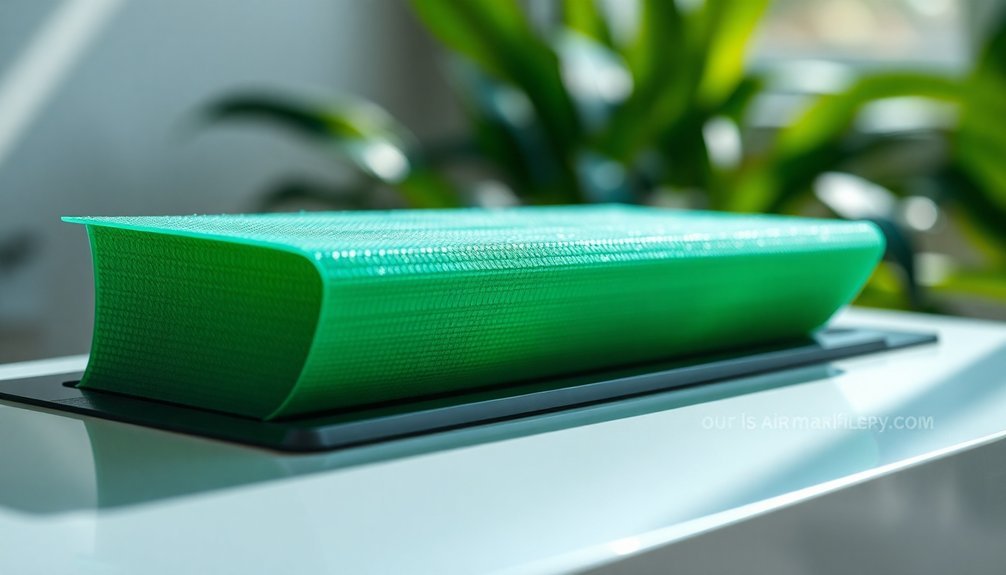
While traditional air filters have long dominated the market, green filter technology represents a breakthrough in combining environmental sustainability with powerful allergen protection.
The science behind green filters centers on their advanced combination of activated carbon and HEPA technology, which effectively captures up to 99% of particles as small as 0.3 microns. You'll find that these filters match conventional options in Clean Air Delivery Rate while using eco-friendly, biodegradable materials.
What makes green filters particularly effective is their ability to trap multiple types of allergens, from pet dander to pollen, through their sophisticated filtration layers.
When you run these filters continuously in enclosed spaces, they work tirelessly to maintain superior indoor air quality. Their long-lasting design means you'll replace them less frequently, proving that sustainability and performance can work together seamlessly.
Understanding HEPA Filtration Mechanics
HEPA filters operate through a sophisticated multi-layer system that'll trap allergens through interception, impaction, and diffusion as air moves through increasingly fine mesh layers.
You'll find that the precisely engineered mesh sizes, ranging down to 0.3 microns, create a highly effective barrier that captures even microscopic allergens that standard filters miss.
The specialized air flow patterns within HEPA filters force particles to follow a complex path, greatly increasing the chances of capture while maintaining ideal air circulation through your filtration system.
Multi-Layer Particle Capture Mechanics
To understand how green air purifiers combat allergies effectively, you'll need to grasp the sophisticated mechanics of multi-layer HEPA filtration.
The multi-layer design creates an intricate system that maximizes filtration efficiency through different particle capture methods.
You'll find four key elements working together in these advanced filters:
- Multiple layers that increase surface area, maintaining strong airflow while trapping allergens
- Inertial impaction that catches larger particles as they collide with filter fibers
- Interception mechanisms that grab particles as they pass near filter surfaces
- Diffusion processes that capture smaller particles through random molecular movement
This all-encompassing approach enables HEPA filters to trap 99.97% of airborne allergens as small as 0.3 microns, while using sustainable materials that benefit both your health and the environment.
Filter Mesh Size Impact
The maze-like structure of filter mesh plays a defining role in how effectively your air purifier fights allergies. When you're choosing a HEPA filter, the mesh size determines its ability to trap harmful particles. With openings as small as 0.3 microns, you'll capture 99.97% of airborne allergens that typically trigger your symptoms.
| Mesh Impact | Your Benefits |
|---|---|
| Higher MERV Rating | Better particle capture |
| Tighter Mesh Design | Enhanced allergen control |
| Sustainable Materials | Eco-friendly protection |
| Consistent Operation | Long-term relief |
For the best results, look for air purifiers with MERV ratings between 11 and 13. These ratings guarantee your filter mesh size is optimized for trapping the smallest allergy-causing particles. Remember, consistent operation allows more air to pass through these precise meshes, maximizing your protection against allergens.
Air Flow Pattern Analysis
Understanding air flow patterns reveals the sophisticated mechanics behind HEPA filtration's effectiveness against allergens. When you use HEPA filters, their densely packed fibers create a specific air flow pattern that maximizes particle capture while maintaining ideal air quality.
Here's how the air flow pattern works to protect you:
- Incoming air is directed through multiple layers of specialized filter material.
- Airborne particles like pollen and pet dander get trapped as they try to pass through.
- Clean, filtered air flows back into your space, free from 99.7% of allergens.
- Continuous circulation guarantees thorough air cleaning throughout your room.
To maintain this efficient flow system, you'll need regular filter changes. The Clean Air Delivery Rate (CADR) helps you monitor your system's effectiveness, assuring you're getting the best possible allergen protection.
Natural Vs Synthetic Filter Materials
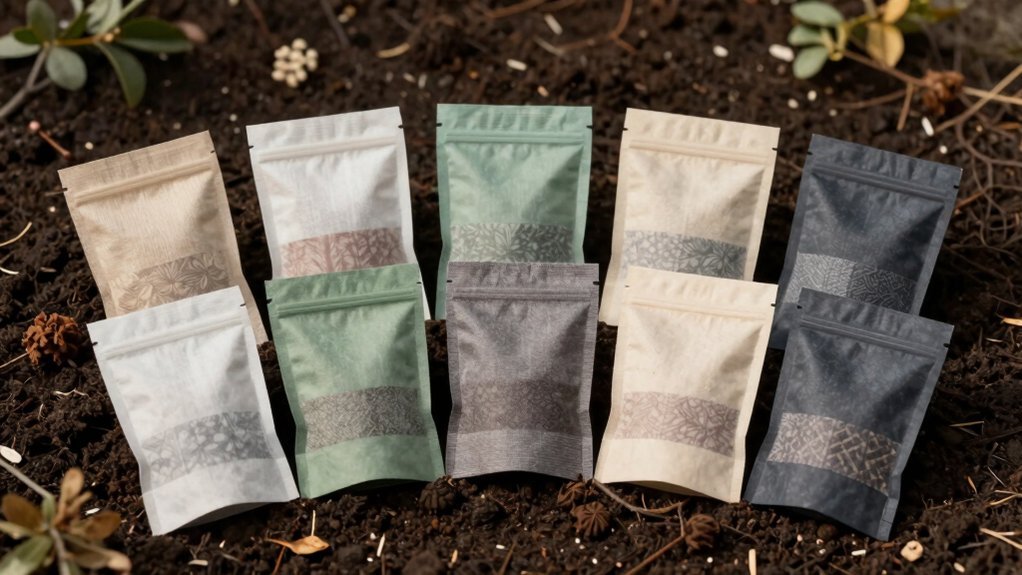
When you choose green filters made from biodegradable materials like coconut husk and activated carbon, you're protecting both your health and the environment.
Unlike synthetic filters that can release harmful chemicals into your indoor air, natural materials effectively trap allergens while breaking down safely after disposal.
You'll also find that these eco-friendly filters often last longer due to their durable construction, reducing the frequency of replacements and minimizing your environmental impact.
Biodegradable Filter Benefits
As homeowners increasingly seek eco-friendly solutions for air purification, biodegradable filters have emerged as a powerful alternative to traditional synthetic options. Made from sustainable materials like coconut husk and wool, these filters effectively capture allergens while decomposing naturally, unlike synthetic versions that linger in landfills for decades.
Here's why you'll benefit from choosing biodegradable filters:
- They maintain a high Clean Air Delivery Rate (CADR), matching synthetic filters' performance in removing allergens.
- Their activated carbon components neutralize indoor VOCs and unpleasant odors.
- You won't release harmful chemicals into your air, as natural materials handle the filtration.
- You're reducing your carbon footprint while creating a healthier indoor environment.
These eco-friendly filters prove you don't have to sacrifice performance for sustainability in your quest for cleaner air.
Synthetic Material Environmental Impact
The stark difference between natural and synthetic filter materials extends far beyond their basic composition.
When you choose synthetic filters, you're contributing to a cycle of environmental impact that includes increased greenhouse gas emissions during production and microplastic pollution as these materials deteriorate.
Natural materials offer a more sustainable alternative. They're sourced from renewable resources and manufactured through low-impact processes that reduce your carbon footprint.
While synthetic filters pile up in landfills for centuries, natural materials can be composted or recycled, supporting a circular economy.
You'll find that sustainable resources like activated carbon and biodegradable fibers not only effectively filter air but also minimize pollution.
Airborne Allergen Capture Rates
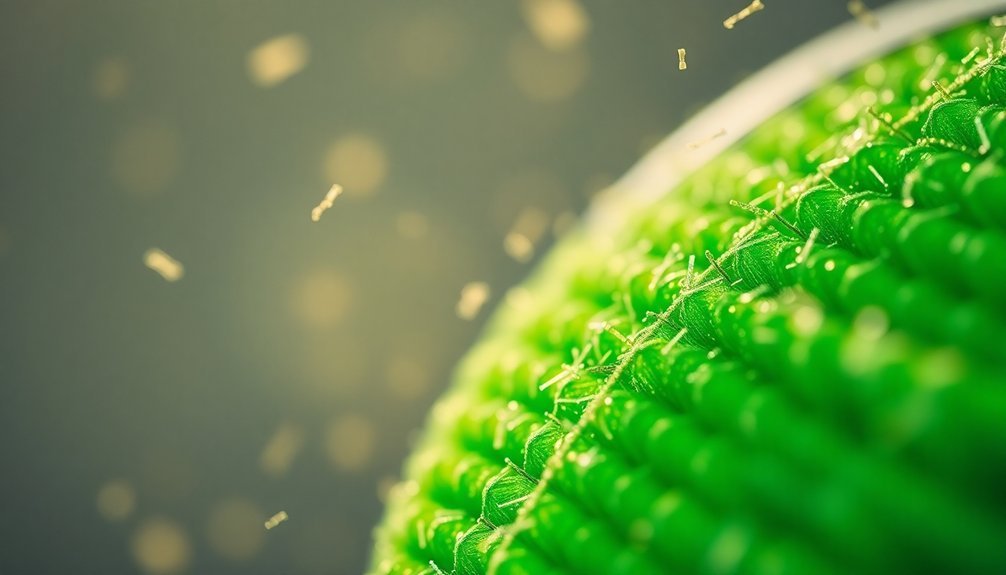
Modern green air purifiers excel at trapping airborne allergens, with true HEPA filters capturing up to 99% of particles as small as 0.3 microns.
The Clean Air Delivery Rate (CADR) helps you determine how effectively these units can clean your space.
You'll experience better results when you:
- Run your air purifier consistently for several hours in enclosed rooms
- Choose units with appropriate CADR ratings for your space size
- Use biodegradable or recyclable filters to maintain high capture rates
- Place purifiers in areas where you spend the most time
When you use these devices properly, you're likely to notice significant improvements in your allergy symptoms, particularly if you suffer from seasonal allergies.
The combination of high-efficiency filtration and eco-friendly materials makes green air purifiers an effective solution for cleaner indoor air.
Environmental Impact of Green Filters
While traditional air filters often end up in landfills, green filters offer a sustainable alternative that substantially reduces environmental impact.
When you choose green filters, you're selecting products made from biodegradable and recyclable materials that minimize waste accumulation. These filters' long-lasting designs mean you'll need fewer replacements over time.
You'll also benefit from their energy-efficient technologies, which reduce electricity consumption and lower carbon emissions. The eco-friendly materials used in green filters release fewer harmful chemicals during manufacturing and disposal.
While protecting the environment, these sustainable filters maintain excellent indoor air quality by effectively capturing allergens and pollutants.
Sustainable Filter Design Features
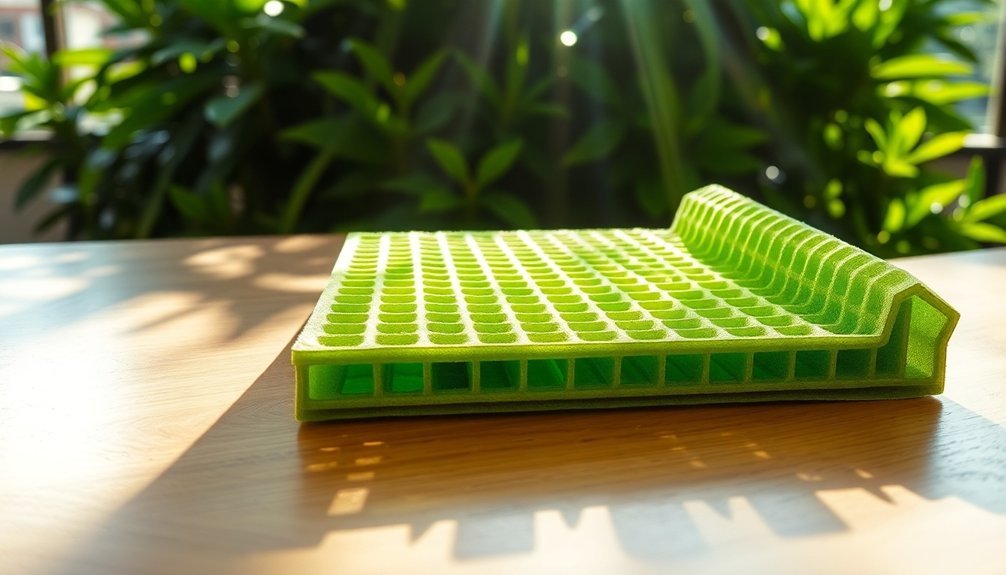
Building on their eco-friendly foundation, sustainable filter designs incorporate several innovative features that maximize both performance and environmental benefits.
You'll find that these filters use sustainable materials that work in harmony with nature while effectively protecting your health.
Key features of sustainable filter designs include:
- True HEPA designs combined with activated carbon that capture 99% of microscopic particles, ensuring superior indoor air quality.
- Modular components that let you replace only worn parts, helping reduce waste and extend the filter's lifespan.
- Energy-efficient operation that cuts electricity use while maintaining continuous air purification.
- Biodegradable and recyclable materials that minimize environmental impact when it's time for disposal.
These smart design elements make green filters an effective choice for both allergy protection and environmental stewardship.
Particle Size Reduction Capabilities
Since air quality directly impacts allergy symptoms, green air purifiers excel at capturing microscopic particles that trigger reactions.
When you're dealing with allergies, you'll benefit from their true HEPA filter technology, which removes up to 99% of particles as small as 0.3 microns. This includes common allergens like pollen, pet dander, and mold spores that affect your respiratory health.
You can measure a purifier's effectiveness through its Clean Air Delivery Rate (CADR). The higher this rating, the more efficiently it'll reduce airborne particles in your space.
To maximize particle size reduction, you'll want to run your green air purifier continuously with windows closed. The combination of HEPA and activated carbon filters guarantees thorough protection, targeting both solid particles and volatile organic compounds that can trigger allergic responses.
Health Benefits for Allergy Sufferers

You'll find that green air purifiers effectively target multiple allergen types, from microscopic pet dander to larger pollen particles, providing extensive protection for your specific allergy triggers.
Your respiratory system will experience immediate relief as the HEPA filtration removes up to 99% of airborne irritants, helping you breathe easier and reduce common symptoms like congestion and coughing.
When you use these eco-friendly purifiers consistently, you're investing in a long-term solution that not only manages current allergy symptoms but also helps prevent future respiratory issues through sustained air quality improvement.
Targeting Specific Allergen Types
Three primary allergen types stand no chance against modern green air purifiers equipped with true HEPA filtration.
When you're choosing an air purifier, understanding its Clean Air Delivery Rate (CADR) helps you target specific allergens more effectively.
The combination of HEPA filters and activated carbon filters tackles:
- Seasonal pollen that drifts through open windows and clings to clothing
- Pet dander that floats invisibly throughout your home
- Mold spores that thrive in damp environments
- Volatile organic compounds that often trigger allergic reactions
You'll get the best results by running your purifier in sealed rooms during peak allergy seasons.
With up to 99% filtration efficiency, these eco-friendly units don't just trap allergens – they help you breathe easier while reducing environmental waste through longer-lasting filter designs.
Respiratory Relief Mechanisms
Modern green air purifiers don't just catch allergens – they actively improve your respiratory health through multiple relief mechanisms. Advanced HEPA filters capture 99% of airborne particles as small as 0.3 microns, providing immediate respiratory relief by preventing these irritants from entering your airways.
You'll notice a significant reduction in common allergy symptoms as these filters continuously clean your indoor air, trapping everything from dust and pollen to pet dander and mold spores.
The purifiers also target volatile organic compounds that can trigger respiratory discomfort, making it easier for you to breathe normally.
When you run your purifier regularly, especially during sleep hours, you're creating a cleaner breathing environment that helps minimize nighttime congestion and promotes better rest – all while using eco-friendly materials that won't release harmful chemicals into your space.
Long-Term Symptom Management
While immediate relief from allergies is valuable, consistent use of green air purifiers offers substantial long-term health benefits for chronic allergy sufferers.
By effectively managing airborne allergens through HEPA filters, you'll experience improved air quality and lasting respiratory relief. This sustainable approach to symptom management can transform your daily life.
When you commit to using green air purifiers regularly, you'll notice:
- Reduced dependency on allergy medications as your exposure to triggers decreases
- Better sleep quality during high allergen seasons, leading to improved overall well-being
- Enhanced respiratory health through consistent removal of 99% of harmful particles
- Prevention of symptom onset rather than just treating existing symptoms
These cumulative benefits make green air purifiers an essential tool for long-term allergy management and respiratory wellness.
Maintenance and Performance Optimization
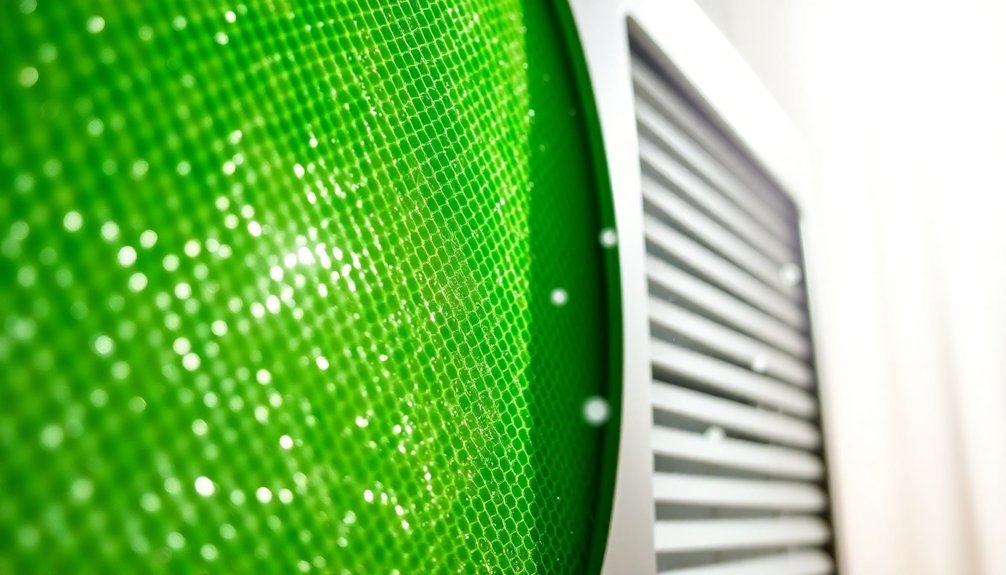
To maintain ideal allergen filtration, green air purifiers require consistent maintenance and strategic operation.
You'll need to focus on regular filter changes and proper airflow management to guarantee your unit continues capturing harmful particles effectively.
Your HEPA filters can remove up to 99% of allergens as small as 0.3 microns, but this performance optimization depends on your maintenance routine.
Run your purifier for several hours daily, especially during high pollen seasons, and monitor the system's airflow to prevent clogged filters from reducing efficiency.
You'll want to adjust your maintenance schedule seasonally, increasing filter changes when allergen levels peak.
Energy Efficiency and Cost Analysis
Beyond regular maintenance, smart investment in green air purifiers pays off through significant energy savings and reduced operating costs.
When you choose energy-efficient models, you'll notice impressive benefits that help both your wallet and the environment.
Here's what makes eco-friendly air purifiers cost-effective:
- You'll save up to 30% on electricity costs compared to traditional models.
- You'll reduce maintenance costs with longer-lasting, biodegradable filter replacements.
- You'll potentially qualify for energy efficiency rebates and tax incentives.
- You'll decrease your carbon footprint while lowering utility bills.
While the initial investment might be higher, you'll typically recover these costs within months through reduced energy consumption and fewer filter changes.
This makes green air purifiers a smart choice for both your health and financial well-being.
Seasonal Effectiveness Patterns
Since allergy seasons can hit particularly hard, understanding how green air purifiers perform throughout the year is vital for maximizing their benefits.
You'll find that air purifiers help most during spring and fall when seasonal allergies peak. HEPA filters in these units can capture up to 99% of allergens in the air, providing significant relief from symptoms like congestion and itchy eyes.
To reduce allergens effectively, pay attention to the Clean Air Delivery Rate (CADR) of your purifier. Higher CADR ratings mean better performance during intense pollen seasons.
What's particularly beneficial is that these green units maintain their efficiency while using minimal energy, so you can run them continuously throughout allergy seasons. This sustained operation guarantees you're getting consistent protection when allergen levels are at their highest.
Integration With Home Ventilation Systems
While standalone air purifiers offer significant benefits, integrating green filters with your home's ventilation system creates a more extensive defense against allergens.
You'll notice improved air quality throughout your entire living space as these systems work together to capture airborne allergens before they circulate.
Here's why integrating green air filters with home ventilation systems works so effectively:
- Higher Clean Air Delivery Rates enable purification of larger air volumes
- Sustainable materials and efficient design reduce energy consumption
- Modular components make maintenance simple and minimize waste
- Combined with proper humidity control, they provide superior protection for allergy sufferers
You'll find that this integrated approach offers thorough protection against allergens while maintaining excellent indoor air quality.
The system's efficiency means you're getting cleaner air in every room, not just where standalone units are placed.
Frequently Asked Questions
Do Air Filters Really Help With Allergies?
Yes, air filters really help with allergies! When you use true HEPA filters, they'll capture 99% of airborne allergens like pollen and pet dander. You'll notice reduced symptoms if you maintain them properly.
What Filter Is Best for Allergies?
For your allergies, you'll get the best results with True HEPA filters that capture 99.97% of particles down to 0.3 microns. Choose filters with MERV 10 or higher for ideal allergen removal indoors.
What Is the Difference Between Green and Blue Air Filter?
You'll find green filters are eco-friendly, using sustainable materials and HEPA technology for better allergen control. Blue filters use conventional synthetic materials and may not match the same environmental or filtration performance standards.
Does Sleeping With an Air Purifier Help Allergies?
Yes, sleeping with an air purifier will help your allergies by removing irritants like dust, pollen, and pet dander from your bedroom. You'll breathe cleaner air, reducing nighttime symptoms and improving sleep quality.
In Summary
You've now learned how green filters leverage advanced HEPA technology and eco-friendly materials to effectively trap allergens in your home. They'll reduce your allergy symptoms while maintaining energy efficiency and supporting environmental sustainability. By properly maintaining your green filter system and integrating it with your home's ventilation, you'll breathe cleaner air year-round while minimizing your carbon footprint and energy costs.